Understanding the Relevance of Aluminum Foundry in the Aerospace and Automotive Industries
Aluminum foundries are important to the aerospace and auto fields. They provide vital lightweight elements that add to overall effectiveness and efficiency. The one-of-a-kind properties of aluminum offer distinctive benefits in manufacturing. As advancements in technology and lasting methods arise, the function of these foundries is advancing. Comprehending these elements raises critical inquiries concerning the future of transport and technology. What ramifications do these developments hold for the industries at big?
The Duty of Aluminum Foundries in Manufacturing Lightweight Parts
Aluminum foundries play a pivotal duty in the aerospace and automobile sectors by creating light-weight parts that boost efficiency and gas effectiveness. The need for lighter materials has actually risen as makers seek to reduce total car weight, leading to improved gas economic situation and reduced discharges. Aluminum's one-of-a-kind residential properties, including high strength-to-weight ratio and rust resistance, make it an excellent selection for different applications.
Components such as engine blocks, transmission housings, and architectural elements gain from aluminum's malleability and convenience of casting, providing the needed strength while minimizing weight. In addition, aluminum's recyclability aligns with sustainable manufacturing practices, better driving its adoption in these industries. Factories use exact methods to ensure optimal product properties, helping with innovations in style and innovation. Ultimately, aluminum foundries are important in satisfying the developing needs of aerospace and vehicle sectors, adding to innovations in safety and security, efficiency, and environmental duty.
Advanced Casting Techniques Used in Aerospace and Automotive Applications
In the aerospace and auto sectors, advanced spreading strategies have ended up being vital for improving performance and effectiveness. Precision spreading techniques, in addition to light-weight alloy advancements, make it possible for the production of components that fulfill strict market criteria. In addition, the assimilation of additive production further transforms layout possibilities, enabling for greater customization and intricacy partly.
Precision Casting Techniques
While industries such as aerospace and automobile progressively demand high-performance elements, accuracy spreading techniques have become important methods to satisfy these requirements. These approaches, consisting of investment casting and die spreading, deal exceptional dimensional precision and surface coating, crucial for parts based on strenuous functional conditions - Aluminum Foundry. Financial investment casting permits elaborate designs and complex geometries, allowing the production of lightweight yet long lasting parts. Pass away casting, on the other hand, guarantees high quantity manufacturing with regular high quality and reduced lead times. Both methods promote the effective use of materials, reducing waste and boosting sustainability in making processes. As the demand for innovative services remains to grow, accuracy spreading methods play a pivotal function beforehand the capacities of aluminum foundries within these vital sectors
Lightweight Alloy Innovations
As the aerospace and automobile markets go for improved performance and efficiency, technologies in light-weight alloys have actually become significantly substantial. These alloys, that include advanced aluminum-lithium and magnesium-based compositions, provide premium strength-to-weight proportions, allowing suppliers to generate parts that are both sturdy and light-weight. The adoption of these materials not only improves gas performance but additionally minimizes greenhouse gas exhausts, aligning with international sustainability goals. Advanced casting methods, such as die spreading and financial investment spreading, have been maximized to function with these lightweight alloys, permitting elaborate layouts and intricate geometries. This adaptability boosts the functionality and performance of components used in crucial applications, from airplane structures to automobile frameworks, solidifying the duty of aluminum foundries in driving sector innovation.
Additive Manufacturing Combination
Additive production has actually emerged as a transformative pressure in the aerospace and vehicle sectors, effortlessly integrating with sophisticated spreading methods to boost production abilities. This assimilation permits the development of complicated geometries that conventional approaches struggle to attain, substantially improving design adaptability. By combining additive processes with aluminum spreading, suppliers can maximize weight reduction while maintaining structural stability. This synergy additionally fosters fast prototyping, allowing quicker versions and decreasing time-to-market for new components. Additionally, making use of additive manufacturing can decrease product waste, straightening with sustainability objectives in both industries. Consequently, the collaboration in between these sophisticated techniques is leading the way for innovative options and efficiencies that redefine manufacturing in aerospace and auto applications.
Benefits of Aluminum as a Product in High-Performance Components
Aluminum provides substantial benefits in high-performance parts as a result of its lightweight framework, which adds to improved fuel efficiency and boosted performance in both aerospace and auto applications. In addition, its rust resistance residential properties assure long life and resilience, making it an excellent choice for elements revealed to rough atmospheres - Aluminum Foundry. These benefits placement aluminum as a leading product in the production of advanced high-performance parts
Lightweight Framework Benefits
When considering materials for high-performance components in aerospace and automotive markets, the lightweight structure of aluminum supplies significant advantages. Its low thickness enables for the development of components that decrease overall vehicle weight, enhancing fuel performance and performance. This reduction in weight adds to decrease discharges and improved functional costs, making aluminum an eco-friendly choice. Furthermore, lighter structures enable much better handling and velocity, essential consider competitive racing and advanced aircraft style. The capability to develop intricate shapes without compromising stamina additionally boosts aluminum's allure, allowing producers to introduce while fulfilling stringent safety standards. In general, the lightweight nature of aluminum supports the sector's change in the direction of more efficient and high-performing cars.
Rust Resistance Features
The premium corrosion resistance of aluminum makes it an optimal choice for high-performance parts in both aerospace and auto markets. This property is essential, as components are frequently revealed to harsh environmental problems, including dampness, salt, and extreme temperature levels. Aluminum's natural oxide layer functions as a protective barrier, avoiding the underlying steel from corroding, thus expanding the lifespan of important elements. Additionally, aluminum alloys can be tailored to boost rust resistance, enabling specific applications popular environments. This strength minimizes upkeep prices and boosts security, making aluminum a favored material for components such as engine parts, structures, and structural elements. Inevitably, the deterioration resistance of aluminum contributes significantly to the overall integrity and efficiency of lorries and aircraft.
Innovations Driven by Aluminum Foundries
As sectors progressively focus on lightweight products for improved performance, advancements driven by aluminum foundries have actually become a crucial pressure in both aerospace and automotive industries. These foundries go to the leading edge of establishing sophisticated aluminum alloys and casting strategies, which boost mechanical residential properties and reduce overall weight. Enhanced die-casting methods, such as high-pressure die spreading and capture spreading, enable the production of elaborate shapes with exceptional surface finishes, dealing with intricate design needs.
Furthermore, the assimilation of automation and robotics in aluminum foundries has structured production procedures, boosting performance and reducing lead times. The adoption of additive production methods, including 3D printing with aluminum materials, has likewise opened brand-new methods for fast prototyping and modification. These technologies not only add to the efficiency and toughness of parts however also improve the style versatility for suppliers, permitting more innovative and reliable vehicle layouts in both aerospace and automobile applications.
Ecological Benefits of Using Aluminum in Production
Many products are used in production, aluminum stands out for its considerable ecological advantages, especially in the aerospace and automobile industries. Its light-weight nature adds to improved fuel effectiveness in cars and aircraft, leading to reduced greenhouse gas emissions. Additionally, aluminum is very recyclable; around 75% of all aluminum ever created is still being used today. This recyclability decreases power intake, as recycling aluminum needs just 5% of the energy required for primary manufacturing.
Aluminum's long life expectancy and resistance to rust minimize the demand for regular replacements, consequently reducing waste generation. Using aluminum in manufacturing not only sustains find out lasting methods however additionally lines up with the growing worldwide emphasis on reducing carbon footprints. As markets venture for greener remedies, integrating aluminum is a strategic choice that go to the website cultivates environmental responsibility while fulfilling the strenuous needs of aerospace and vehicle applications.
High Quality Control and Testing in Aluminum Foundries
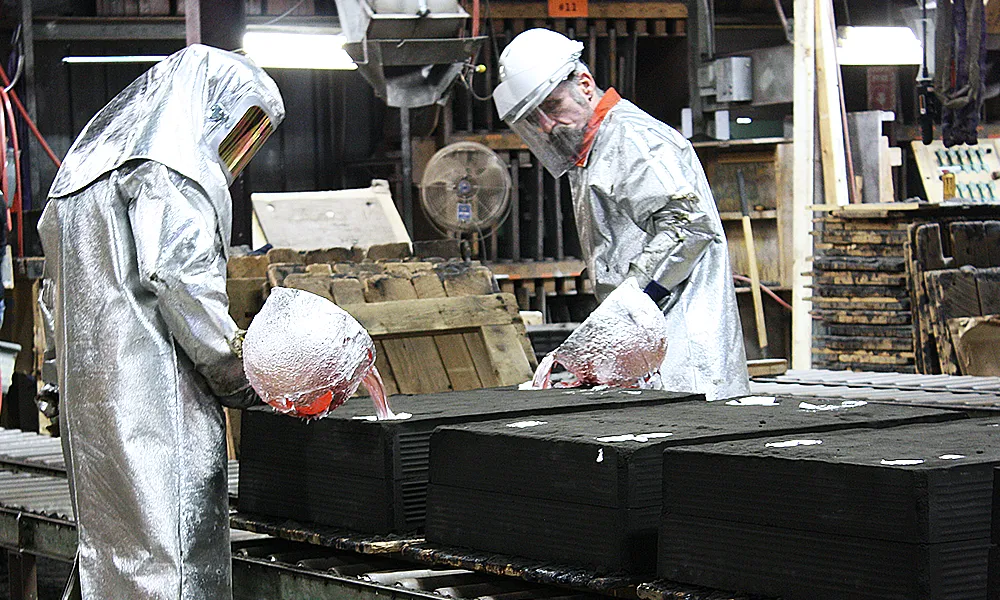
Efficient top quality control and strenuous screening are important in aluminum foundries to guarantee the production of high-performance parts for aerospace and vehicle applications. These procedures start with the mindful option of basic materials, ensuring they meet certain chemical and physical properties. Shops carry out rigid tracking systems throughout the manufacturing procedure, consisting of temperature control and mold integrity checks, to stop issues.
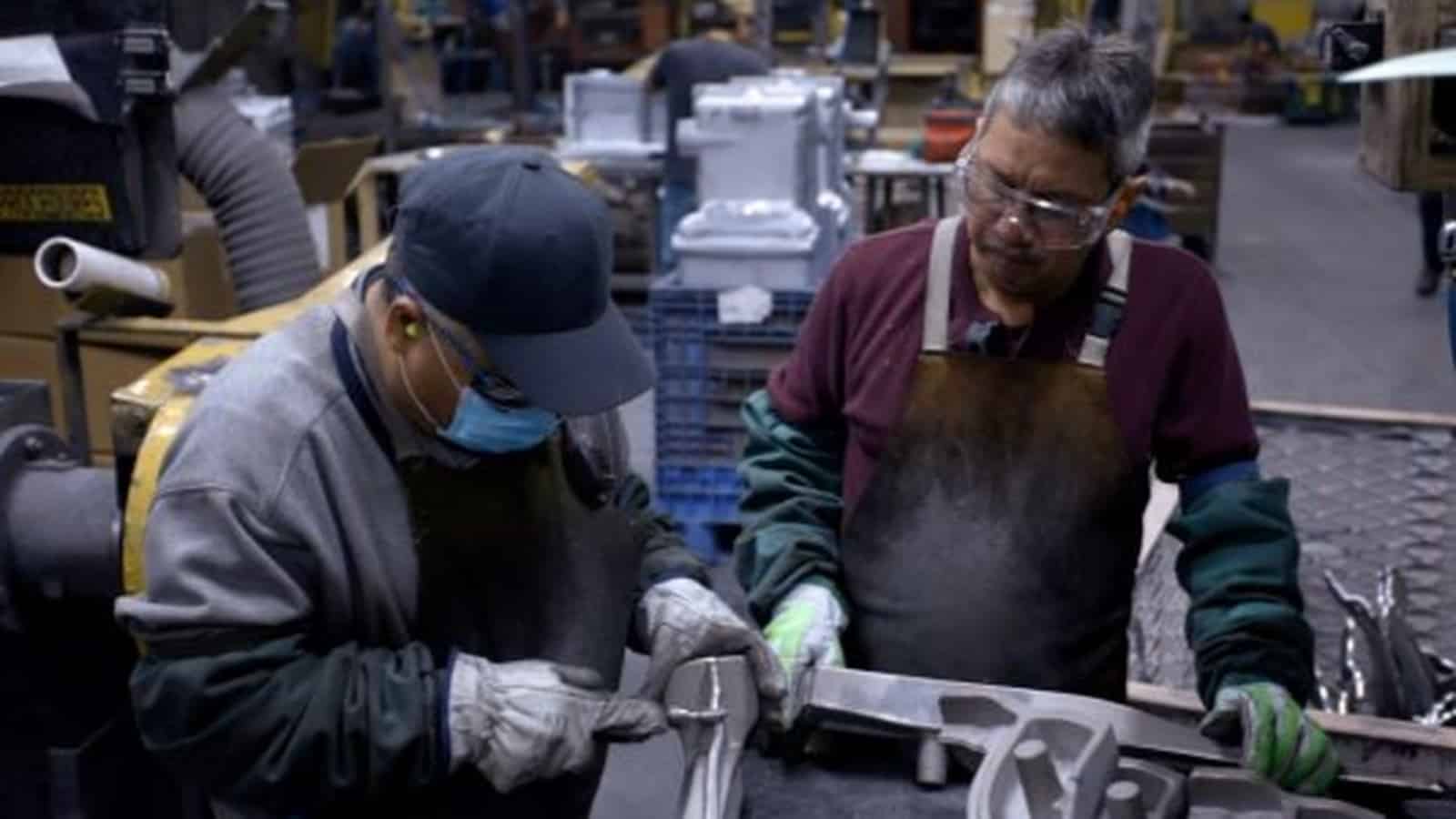
Checking techniques, such as spectrometry and mechanical testing, validate that the aluminum alloys have the required toughness, ductility, and exhaustion resistance. Non-destructive testing techniques, like ultrasonic and X-ray inspections, are employed to identify internal defects without damaging the parts.
Future Fads in Aluminum Foundry Modern Technology for Transport Industries
Progressively, innovations in aluminum factory modern technology are shaping the future of the transport markets, specifically in aerospace and auto industries. Advancements in automated spreading procedures are enhancing performance and accuracy, decreasing manufacturing times while minimizing waste. Methods such as 3D printing and additive production are gaining traction, enabling the development of intricate geometries that enhance weight and efficiency.
The integration of smart modern technologies and information analytics is facilitating real-time monitoring of shop procedures, boosting top quality control and uniformity. As sustainability becomes a concern, reusing initiatives are expected to grow, enabling for the reuse of aluminum scrap, which is both cost-efficient and eco friendly.
Last but not least, the advancement of sophisticated alloys will enable manufacturers to generate lighter, more powerful elements, straight adding to enhanced fuel efficiency in lorries. Generally, these patterns are readied to revolutionize aluminum foundry techniques, equaling the advancing demands of the transport markets.
Frequently Asked Inquiries
Exactly How Do Aluminum Foundries Ensure Safety for Employees?
Aluminum foundries focus on employee safety and security by carrying out rigorous training programs, maintaining appropriate ventilation systems, using individual protective tools, conducting normal safety audits, and adhering to market guidelines, creating a protected environment for all workers.
What Are the Common Problems in Aluminum Castings?
Usual defects in aluminum spreadings include porosity, contraction, inclusions, and surface area blemishes. Click Here These problems can develop from poor mold layout, insufficient putting methods, or contamination, ultimately affecting the quality and performance of the end product.
Just How Do Aluminum Foundries Handle Recycling of Scrap Materials?
Aluminum foundries effectively handle scrap product recycling by collecting, arranging, and melting down aluminum waste. This procedure minimizes ecological influence, reduces manufacturing prices, and guarantees a lasting supply of resources for future spreading procedures.
What Certifications Should Aluminum Foundries Have?
Aluminum foundries ought to have accreditations such as ISO 9001 for high quality monitoring, ISO 14001 for environmental management, and particular aerospace or automobile requirements like AS9100 or IATF 16949 to guarantee compliance and quality in manufacturing procedures.
Just How Does Weather Influence Aluminum Casting Processes?
Climate considerably affects aluminum spreading procedures by impacting temperatures and humidity levels. High humidity can lead to moisture-related defects, while severe temperature levels might change steel residential or commercial properties, ultimately influencing the top quality and consistency of the final actors products.